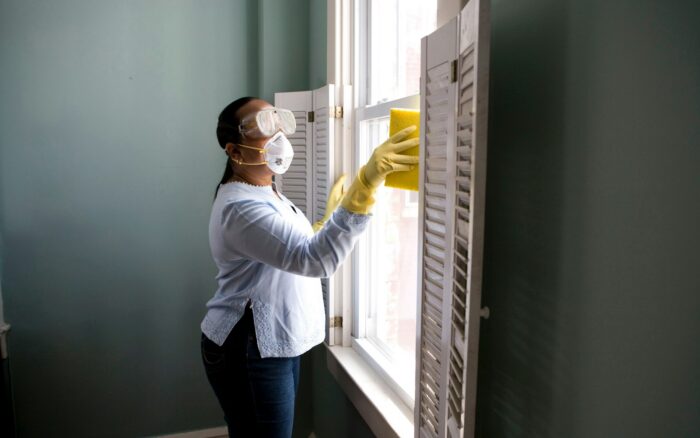


Supported Independent Living (SIL) lets you live in your own home, usually shared with a few housemates, with trained support workers on hand to help with daily tasks. You keep choice and control over your routine, your goals and who supports you, while the NDIS funds the help you need to live safely and build independence.
Key takeaways
- SIL is NDIS-funded help with daily living, delivered in a shared home or your own home.
- You live as a tenant in an ordinary home, not in an institution, and you keep choice over your routine.
- Support is tailored to you, from a few hours a day to 24/7 care, including overnight.
- Good SIL builds skills over time, so you do more for yourself.
- Housemate compatibility, worker matching and clear communication make the biggest difference to how SIL feels.
What does “freedom with support” really mean?
For many people, moving out of the family home or a group setting is a huge milestone. It can mean deciding when you get up, what you eat, how you decorate your room and who you spend time with. SIL is designed to make that independence possible for people who need regular help with daily life.
Instead of choosing between independence and support, SIL gives you both. Support workers help with the tasks you need help with, and step back for the things you can do yourself. Over time, the goal is for you to take on more and more of your own routine.
What does a typical day in SIL look like?
There is no single “SIL day”, because every roster is built around the people who live in the home. As an example, a day might look like this:
- Morning: a support worker helps you shower and dress, reminds you about medication, and supports you to make breakfast.
- Daytime: you head out to work, a day program, study or community activities. You might use other parts of your NDIS plan for this.
- Afternoon: back home, you plan dinner with your housemates and a worker supports you to shop and cook.
- Evening: you relax, watch TV, call friends or work on a hobby, with support available if you need it.
- Overnight: depending on your needs, a worker may be awake through the night or sleeping on site and available if needed.
Shared home or living on your own?
SIL is most often delivered in a shared home with two to five residents. Sharing makes it possible to have support available around the clock, because workers’ time can be shared between housemates for tasks like cooking and supervision. Each person still receives one-to-one support for personal tasks where needed.
Some people receive SIL in their own home or apartment. This can suit people who value privacy or find shared living difficult, although the NDIS considers whether the cost is reasonable compared to other options. There are also alternatives, such as Individualised Living Options (ILO), where support is designed around living with a host, a housemate or on your own.
Who is SIL suitable for?
SIL is generally for NDIS participants who need a significant amount of help with daily living tasks most of the day, every day. People who benefit from SIL often:
- Need help with personal care, such as showering, dressing and toileting.
- Need support to plan and cook meals, manage the home and keep safe.
- Need someone available overnight.
- Want to move out of the family home, or have carers who can no longer provide daily support.
- Want to build independent living skills in a supported setting.
The NDIA decides whether SIL is reasonable and necessary, based on evidence about your support needs and goals.
How do you keep choice and control in SIL?
Choice and control is a core principle of the NDIS, and it should be part of daily life in SIL. In practice, that means:
- Your routine is yours. Wake-up times, meals, activities and bedtimes should reflect your preferences, not the provider’s convenience.
- You have a say in who supports you. Good providers match workers to the people they support and listen when a match is not working.
- House decisions are shared. Residents should be involved in decisions about meals, chores and house rules.
- You can change providers. In most arrangements, your housing and your support provider can be separate, so changing your support provider does not mean losing your home.
How does SIL help you build independence?
The best SIL providers think beyond completing tasks. They help you learn. Support workers might:
- Break cooking into simple steps and gradually do less as you gain confidence.
- Help you set up a budget and practise paying bills.
- Support you to use public transport, book appointments and manage your own calendar.
- Encourage you to try new activities and build friendships.
Progress can be small and steady. Each new skill adds up to more freedom.
What makes a good SIL home?
When you visit a SIL home or speak with a provider, look for:
- Housemates with compatible ages, interests and routines.
- A home that is accessible, comfortable and close to the things you care about.
- Consistent support workers, so you are not meeting new faces every day.
- Clear information about shared costs, house agreements and how disagreements are handled.
- A provider that communicates openly with you, your family and your support coordinator.
- Registration with the NDIS Quality and Safeguards Commission.
What does SIL cost you personally?
SIL funding covers your support workers. Your rent, food, utilities and personal spending come from your own income. Many residents contribute to a shared household fund for groceries and bills. Ask for a written breakdown of these costs, how they are calculated, and how often they are reviewed.
How Everlife Care can help
Everlife Care is a registered NDIS provider with a nurse-led team. Through Supported Independent Living, we support people to live in their own homes with the right balance of help and independence. Our team also provides daily personal care, household tasks, life skills development and community nursing, so health and daily living support can work together.
Want to explore whether SIL is right for you? Find your support worker or make a referral today.
Frequently asked questions
Do I have to share a home to get SIL?
No, but shared living is the most common arrangement because it allows support to be shared, especially overnight. SIL can be provided in your own home where that is reasonable and necessary.
Can I choose my housemates?
Providers should consider compatibility and involve you in decisions about who you live with. You can ask to meet potential housemates before you move in.
Will I have a support worker with me all the time?
That depends on your needs. Some people have support available 24 hours a day; others need help only at certain times. Your roster of care sets this out.
Can I still go to work or a day program?
Yes. Many people in SIL work, study or attend programs during the day. Support outside the home is usually funded from other parts of your NDIS plan.
What happens if I do not get along with my housemates?
Speak with your provider. Good providers have processes for resolving disagreements, and if a living arrangement is not working, they will help you explore other options.
Everlife Care Team
Our coordinators and nurses share practical guidance to help you navigate disability support and the NDIS with confidence.
This article is general information only and does not replace advice from the NDIA or your health professionals.